Maskne – What is maskne? How to treat maskne
What is maskne?
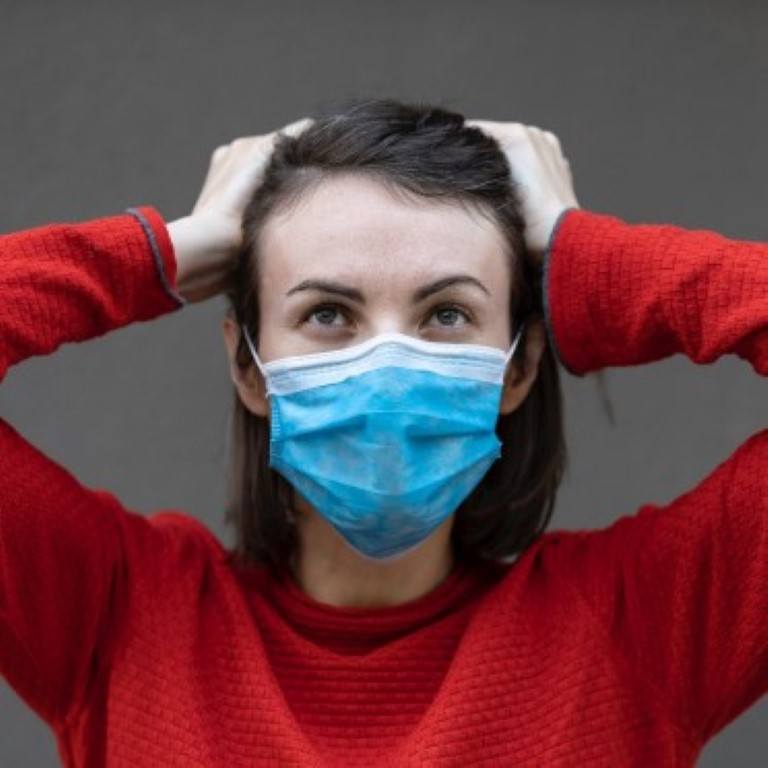
Maskne is when acne break outs occur because of wearing a mask.
Maskne can develop in as quickly as one day of wearing a mask, or after several weeks of mask wearing.
Wearing masks has become a part of normal life. Unfortunately, one of the unwanted side effects of wearing masks is that it can cause acne and other rashes to appear.
Irritation can also be present along with maskne and may be from acne care products which can start irritating the skin if they are used under a mask.
How do I know if I have maskne?
You can usually tell if you have maskne if you are experiencing a break out under the area covered by a mask.
The breakout may include papules (red bumps), nodules (large and tender red bumps), pustules (red bumps with a white head), cysts, and comedones.
Why does maskne occur?
Maskne probably occurs because of the occlusion that a mask causes on the skin.
If you have skin that is prone to acne, then it will be very sensitive to anything that occludes it, especially if it is for hours at a time. It’s the same as sitting with your hand on your face for several hours.
Occlusion from masks will cause grease and skin cells to build up and get trapped, causing comedones and inflammation.
The other issue is the humidity levels. As the humidity level under the mask is also raised, it’s a bit like going on a holiday to a humid place – which is known to break many people out.
Can maskne cause acne for the first time?
Mask wearing can cause acne for the first time, even in someone who doesn’t usually get acne. Mask wearing can also make someone’s acne flare, even though it may have been under relatively good control.
What else could it be besides maskne?
Sometimes a breakout and spots under a mask may not be from acne. It may be from other conditions that can look like acne such as:
- Fungal acne
- Perioral dermatitis
- Folliculitis
Masks can also cause irritation and friction, which may lead to:
- Dermatitis
- Hives
Can maskne be fungal acne?
Yes, maskne can sometimes be mistaken for fungal acne. More information on fungal acne can be found here.
What is the difference between maskne and hormonal acne?
Maskne can occur in someone with hormonal acne. Hormonal acne is any acne that is worse at certain times of the menstrual cycle because of the change in hormones. Maskne can make hormonal acne worse.
How do you treat maskne?
1. Take regular breaks
Try and take regular breaks from wearing a mask, even if it is for 2 or 3 minutes every hour or so. Do this only if it is safe to do so. Regular breaks will help reduce the humidity under the mask and help your skin breathe.
2. Don’t use heavy make-up or moisturisers
Don’t wear make-up or thick moisturisers under a face mask, as they will clog hair follicles and aggravate acne.
Avoid make-up if you can, or use mineral-based products.
A moisturiser should be light and marked non-comedogenic.
3. Don’t damage the skin barrier by over cleansing
Many acne sufferers will start cleaning and toning their skin more if they experience breakouts, but this will just lead to more irritation and prevent you from using active ingredients.
So it’s best to avoid harsh products which can be drying to the skin. Use a gentle cleanser such as Cetaphil cleanser or Cerave cleanser. If you are very prone to dryness then use a light moisturiser as a soap substitute.
4. Use one or two active ingredients but don’t pile them up
Make sure you are on at least two active ingredients for acne that suit your skin.
Good active ingredients include retinol, prescription-strength retinoids, benzoyl peroxide, topical antibiotics and azelaic acid.
Try to use the majority of your active ingredients at night – when you are not going to be wearing a mask – and don’t overwhelm your skin with starting too many active ingredients in one go. The tendency for many people is to start several new products at one time and layer them. This may just worsen maskne.
If your skin has developed a lot of comedones, then a topical retinoid is a must.
If your skin has mainly inflamed lesions, then benzoyl peroxide or a topical antibiotic, or a combination of both, may be a good starting point.
5. Use morning active ingredients with caution
If your skincare routine includes a morning active treatment, you may need to reduce the strength of your morning ingredient because the occlusion from the mask may make the product more irritating and paradoxically cause soreness and irritation. Most acne treatments were not designed to be applied under occlusion.
You may be better off using your active ingredients at night and repairing your skin barrier during the day.
6. Oral medication is needed first if your skin is very inflamed
The biggest mistake is to start harsh topical acne treatments if your skin is very inflamed and has a lot of inflamed spots, nodules and cysts.
You are better off talking to your Dermatologist about starting an oral treatment first to calm the skin down enough from the inside to allow you to safely start an active ingredient topically.
This is because acne is very inflamed; it can not usually tolerate acne remedies very well as they can be very irritating.
Oral medications for maskne include antibiotics, isotretinoin and spironolactone.
Is retinol useful for maskne?
Yes, retinol can be useful for maskne though maskne may clear quicker with a prescription-strength retinoid. Don’t use retinol directly under a mask, as it can cause a lot of irritation.